The Arctic sky holds one of nature’s most dazzling secrets – the aurora borealis. For centuries, humans have gazed upward, mesmerized by shimmering ribbons of green, violet, and red weaving through the night. But to truly understand and witness this phenomenon in its full glory, few places rival the rugged beauty of Norway’s Lofoten Islands.
This guide dives deep into the science, strategy, and storytelling behind the aurora borealis and northern lights, especially in the context of Lofoten – one of the best places to view the northern lights in the world.
| Topic | Insights |
|---|---|
| Phenomenon | What causes the aurora borealis and why it’s seen in high-latitude regions |
| Terminology | Difference between “aurora borealis” and “northern lights” |
| Best viewing times | Optimal months, hours, and weather for sightings |
| Why Lofoten | Geography, dark skies, and dramatic settings ideal for aurora displays |
| Planning a trip | What to pack, where to go, and how to experience the lights in Norway |
What is the aurora borealis? A celestial collision of light and magnetism
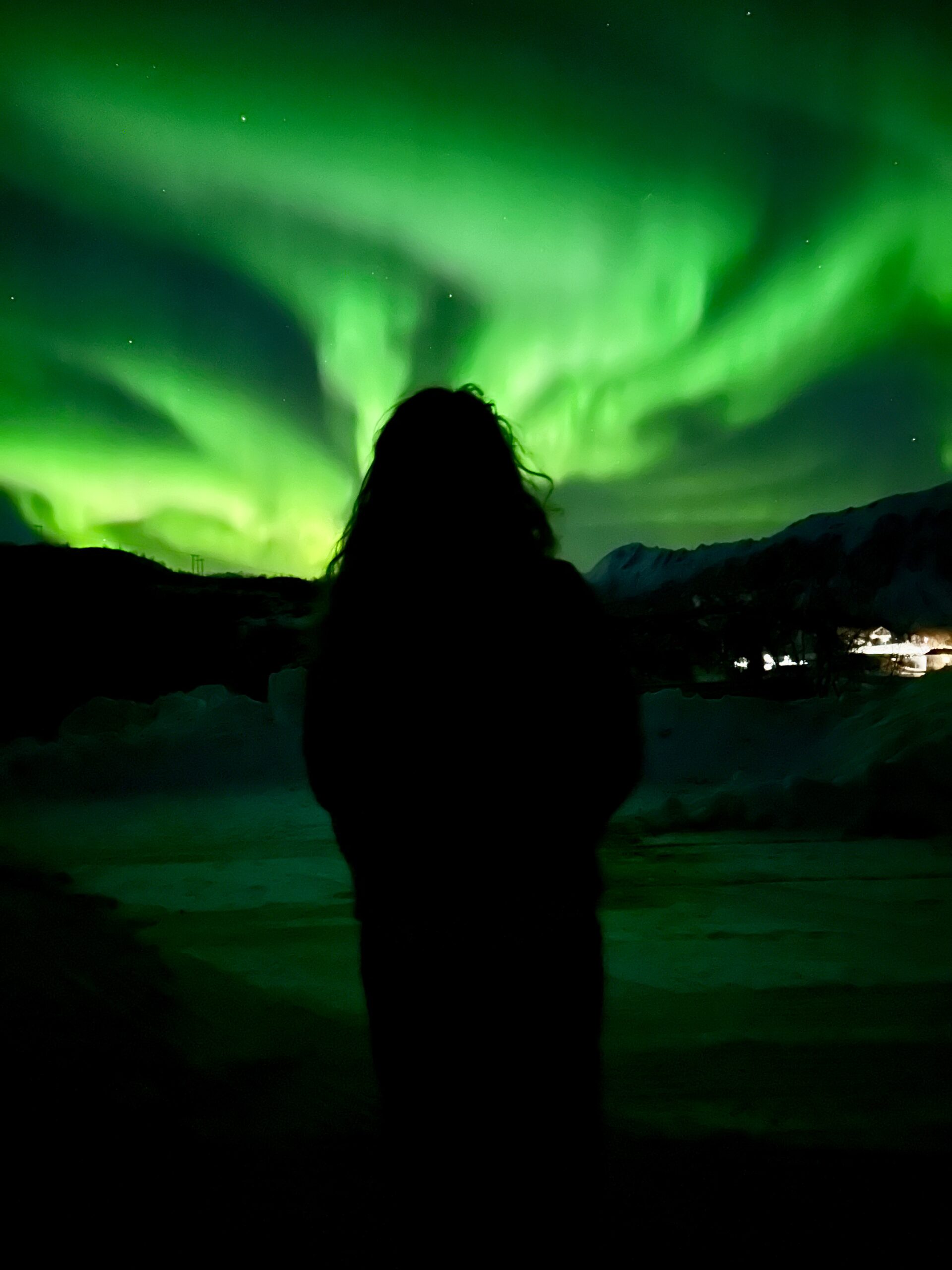
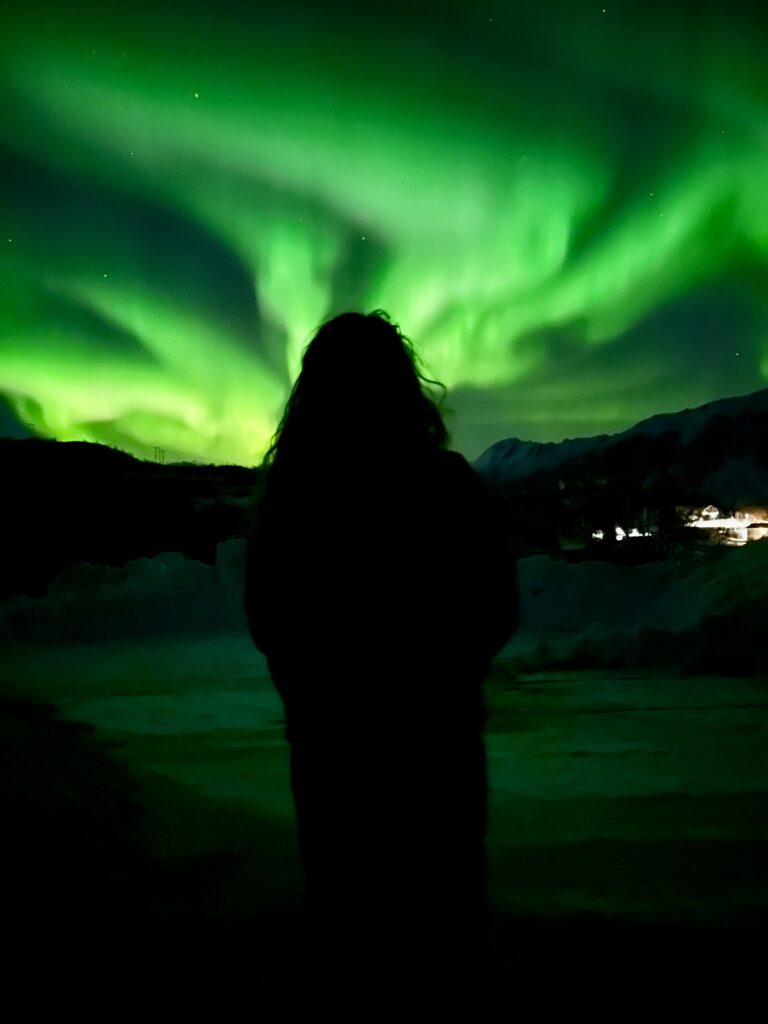
The aurora borealis, commonly referred to as the northern lights, is not merely a spectacle — it’s a physical interaction between Earth and the cosmos. When solar winds — streams of charged particles from the sun — reach our planet, they encounter Earth’s magnetic field. These particles get funneled toward the magnetic poles, where they collide with atmospheric gases. The result? Bursts of colorful light painting the sky.
This interaction occurs predominantly near the poles, which is why the phenomenon is most visible in the Arctic and Antarctic circles. The term “northern aurora borealis” specifically refers to the lights in the Northern Hemisphere. If you’ve ever asked, “What is northern lights?” — that’s your answer: an electrified sky show created by the universe itself.
The colors vary based on which gas is hit and at what altitude. Green — the most common hue — is caused by oxygen around 100 km above Earth. Rarer shades like red or purple occur when collisions happen higher up or involve nitrogen.
Aurora borealis and northern lights: are they the same?
Many travelers use the terms aurora borealis and northern lights interchangeably — and rightly so. Scientifically, “aurora borealis” is the official term for this polar light display in the north, while “aurora australis” refers to the southern counterpart. But in common language, especially in travel and tourism, “northern lights” has become the popular phrase. So, if you’re wondering about “aurora borealis and northern lights”—yes, they are two names for the same experience.
Interestingly, some mistakenly refer to them as “areola borealis northern lights,” which is a typographical mix-up that’s gained traction online. The correct term remains aurora borealis.
Why Norway is among the best places to see the aurora borealis
Northern Norway sits directly beneath the auroral oval — the ring-shaped zone where the lights are most frequently visible. Here, conditions align perfectly: high latitude, long nights, and minimal light pollution in rural areas.
More importantly, Lofoten offers a unique blend. Unlike flat tundra regions farther north, Lofoten’s towering mountains, pristine beaches, and dramatic fjords create a cinematic foreground for auroral displays. It’s this combination of sky and landscape that makes it one of the best places to see aurora borealis.
Add to that a relatively mild coastal climate (thanks to the Gulf Stream), and you get a more comfortable viewing experience than other Arctic regions. Though weather can be unpredictable, clear patches often break through, offering stunning views if you’re patient.
Best time to see the aurora borealis in Lofoten
To experience the aurora borealis in Norway, timing is everything. While the northern lights are technically present year-round, they are only visible when the sky is dark enough — making autumn through early spring the prime season.
Peak aurora season
The ideal period to witness the northern lights in Lofoten spans from late September to early April. During these months, nights are long, skies are dark, and the auroral oval is most active over the region. Among these, the equinox months — September and March — often see increased geomagnetic activity, which boosts the chances of aurora displays.
The deep winter months of December, January, and February provide maximum darkness, with the sun dipping below the horizon for extended periods. However, these months also bring cloud cover, so flexibility is essential.
Best hours to watch the northern lights
Your window for optimal viewing typically falls between 9:00 PM and 2:00 AM, when both geomagnetic activity and local darkness intersect. That said, auroras can appear earlier or later, especially during periods of high solar activity.
To increase your chances, plan on spending at least three to five nights in the region. This accounts for weather variability and gives multiple opportunities to catch the display.
Why Lofoten is a prime location for aurora viewing
While many travelers head to inland destinations like Tromsø or Alta, Lofoten offers an unrivaled experience. Its geographic location ensures it’s directly under the auroral oval — meaning that when the lights are active, they are often directly overhead rather than low on the horizon.
But what truly sets Lofoten apart is the visual drama of the landscape. Jagged peaks, open beaches, and mirror-like fjords make for ideal photographic conditions. The reflections of the aurora in still waters or wet sand create an immersive spectacle unlike anywhere else on Earth.
Minimal light pollution
Another advantage is that Lofoten’s smaller towns and remote beaches allow for viewing with virtually no artificial light. Venture just a few kilometers from any village and you’ll find complete darkness, the perfect stage for nature’s own light show.
Best places in Lofoten to view the northern lights
With so many hidden corners and coastal gems, it helps to know where to go. Here are some of the best places to view northern lights in Lofoten:
-
- Remote beaches – Look for north-facing shores like those near Unstad, Vik, and Uttakleiv. These open areas give you a clear view of the sky and horizon.
-
- Mountain passes – Elevated viewpoints away from light sources can offer panoramic visibility, increasing your field of view.
-
- Secluded villages – Places like Gimsøy or Flakstad are far from tourist hubs, offering both serenity and dark skies.
-
- Shoreline reflections – Seek out tidepools or calm inlets. On still nights, the aurora is doubled in the water — a dream for photographers.
Whether you’re a traveler looking to witness the magic for the first time or a seasoned chaser of the northern lights aurora, Lofoten consistently delivers.
Preparing for your aurora borealis experience
Seeing the lights isn’t just about showing up — it’s about preparation, patience, and understanding nature’s rhythms.
Track the conditions
-
- Use apps and websites that provide aurora forecasts, solar wind data, and KP index predictions.
-
- Remember, the KP index doesn’t need to be high in Lofoten — even low values can yield impressive displays due to the region’s location.
-
- Watch the local weather forecast. Even partial cloud breaks can offer chances to see the lights.
Dress for Arctic nights
Expect extended periods of stillness in the cold. Layering is essential. Bring:
-
- A thermal base layer
-
- Insulated mid-layers
-
- Waterproof and windproof outer layers
-
- Wool socks, gloves, and a hat
-
- Hand warmers and heat pads
Even better, bring a thermos of hot drink — staying warm makes the wait infinitely more enjoyable.ble.
How to photograph the aurora borealis: capture the magic
If witnessing the northern lights aurora borealis is unforgettable, then capturing it with your own camera turns the experience into a permanent memory. While smartphone cameras have improved drastically, photographing the aurora borealis with intention requires the right gear and setup.
Essential gear checklist
To get high-quality shots, pack the following:
-
- DSLR or mirrorless camera – manual settings are a must
-
- Sturdy tripod – vital for long-exposure shots in windy Arctic conditions
-
- Wide-angle lens – preferably with a large aperture (f/2.8 or lower)
-
- Remote shutter release – avoids camera shake during long exposures
-
- Extra batteries – cold drains power quickly — keep spares warm in pockets
Camera settings for aurora
Use these settings as a baseline and adjust as needed based on brightness:
| Setting | Recommendation |
| ISO | 800–3200 |
| Aperture | f/2.8–f/4 |
| Shutter speed | 5–25 seconds |
| Focus | Manual, set to infinity |
Experiment often. Auroras vary in intensity, speed, and shape — what works for a slow-moving green arc won’t work for a fast-dancing red ribbon. And always bring a flashlight or headlamp with red light mode to preserve your night vision while adjusting settings.
Multi-night viewing strategy: beat the clouds, boost your odds
Because Arctic weather is unpredictable, a multi-night strategy is essential to your northern lights success. Here’s how to optimize your chances across several evenings:
Night-by-night planning
| Night | Focus |
| Night 1 | Acclimate, scout your surroundings, review forecasts |
| Night 2 | Join a guided aurora hunt or explore a dark beach yourself |
| Night 3 | Choose a new vantage point (e.g. a mountain pass or inland area) |
| Night 4 | Stay flexible — cloud breaks can appear even in bad forecasts |
| Night 5 | Final night — take creative photos, reflect, and enjoy the silence |
By building in buffer nights, you’re not at the mercy of a single weather window. Many aurora chasers return with stories of stunning lights after four cloudy days — patience pays.
Add purpose to your aurora trip
While many people chase the lights from roadsides or tourist-packed bus tours, others seek a deeper experience – one where nature is not just a backdrop, but a partner in the journey.
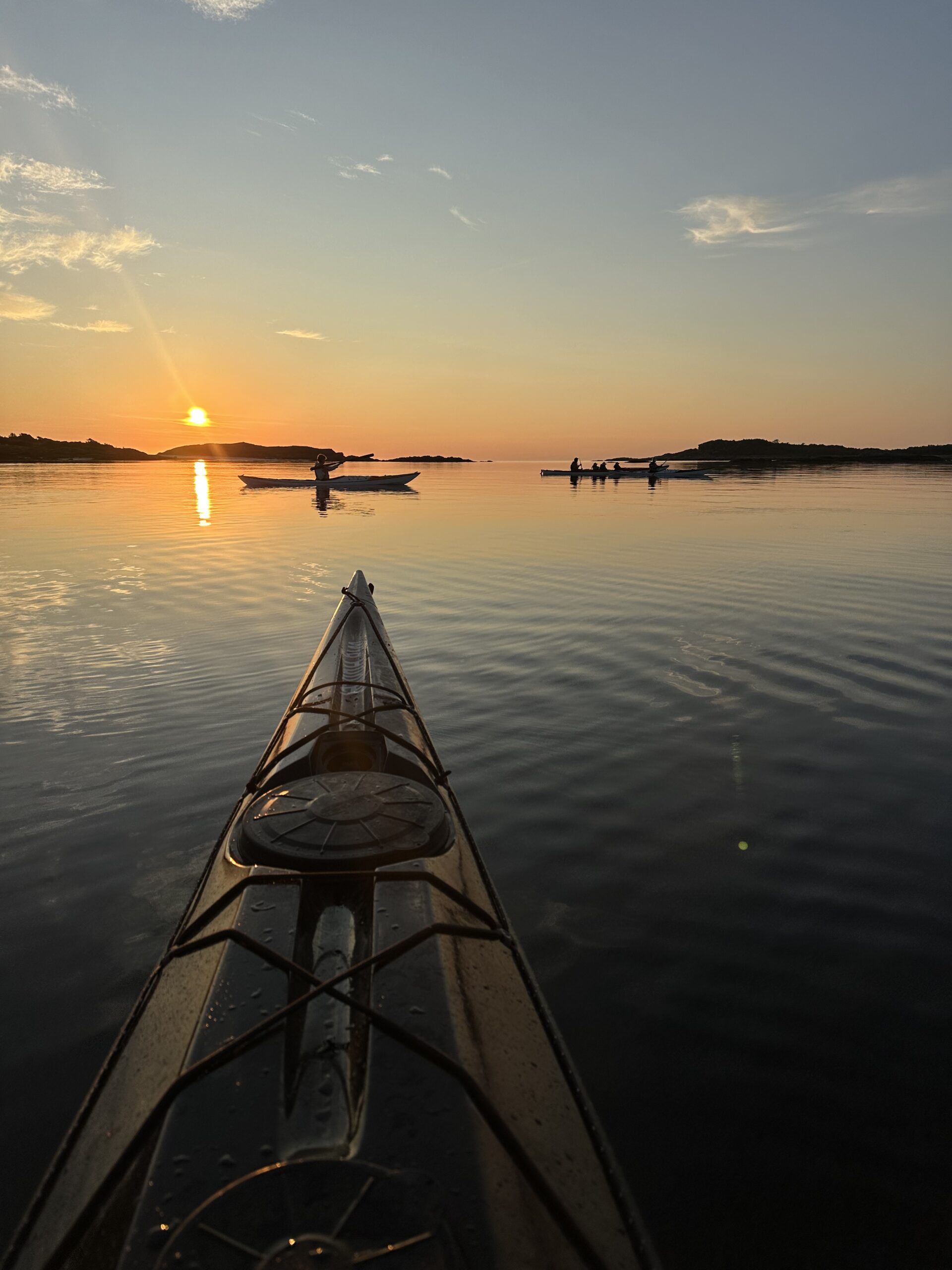
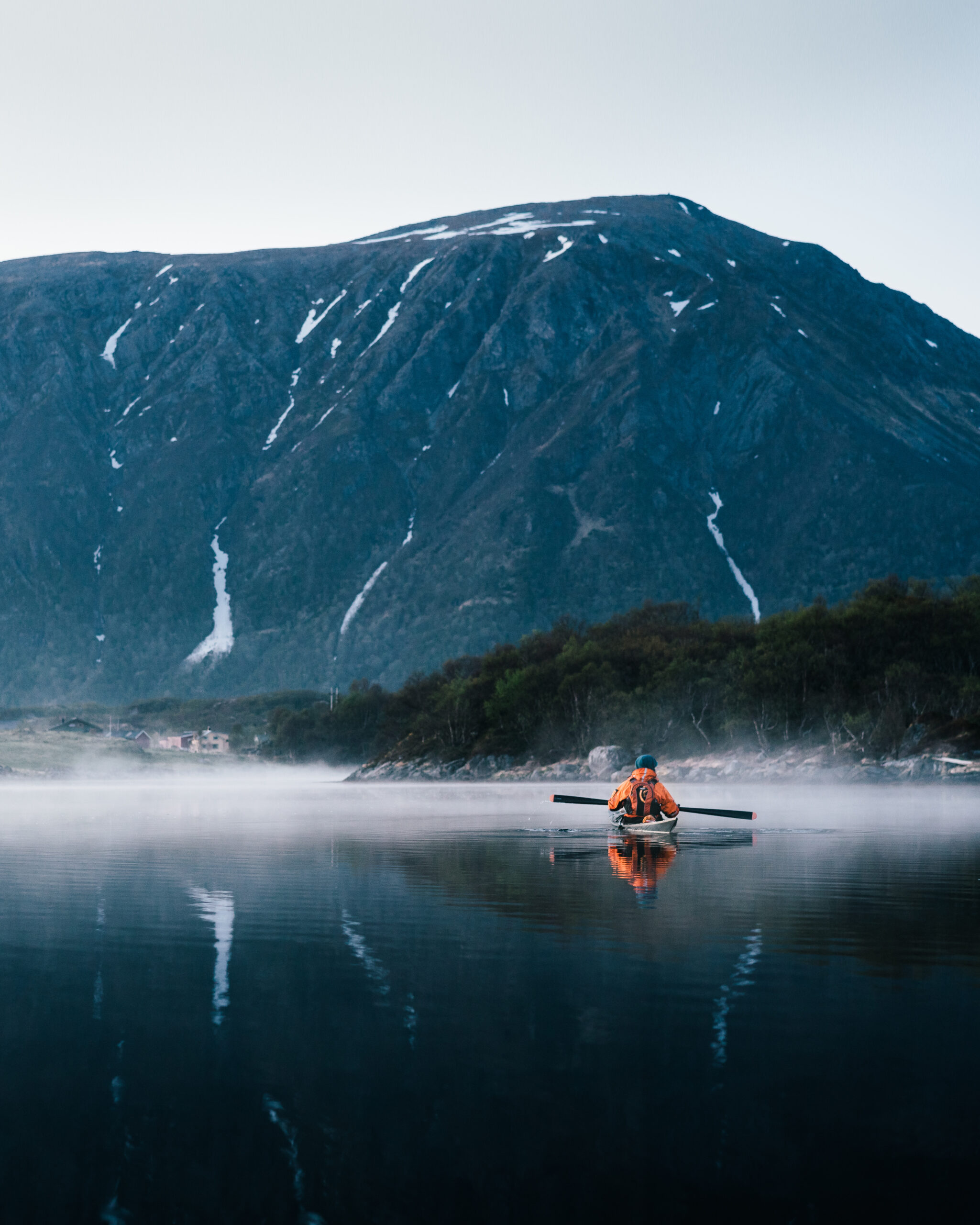
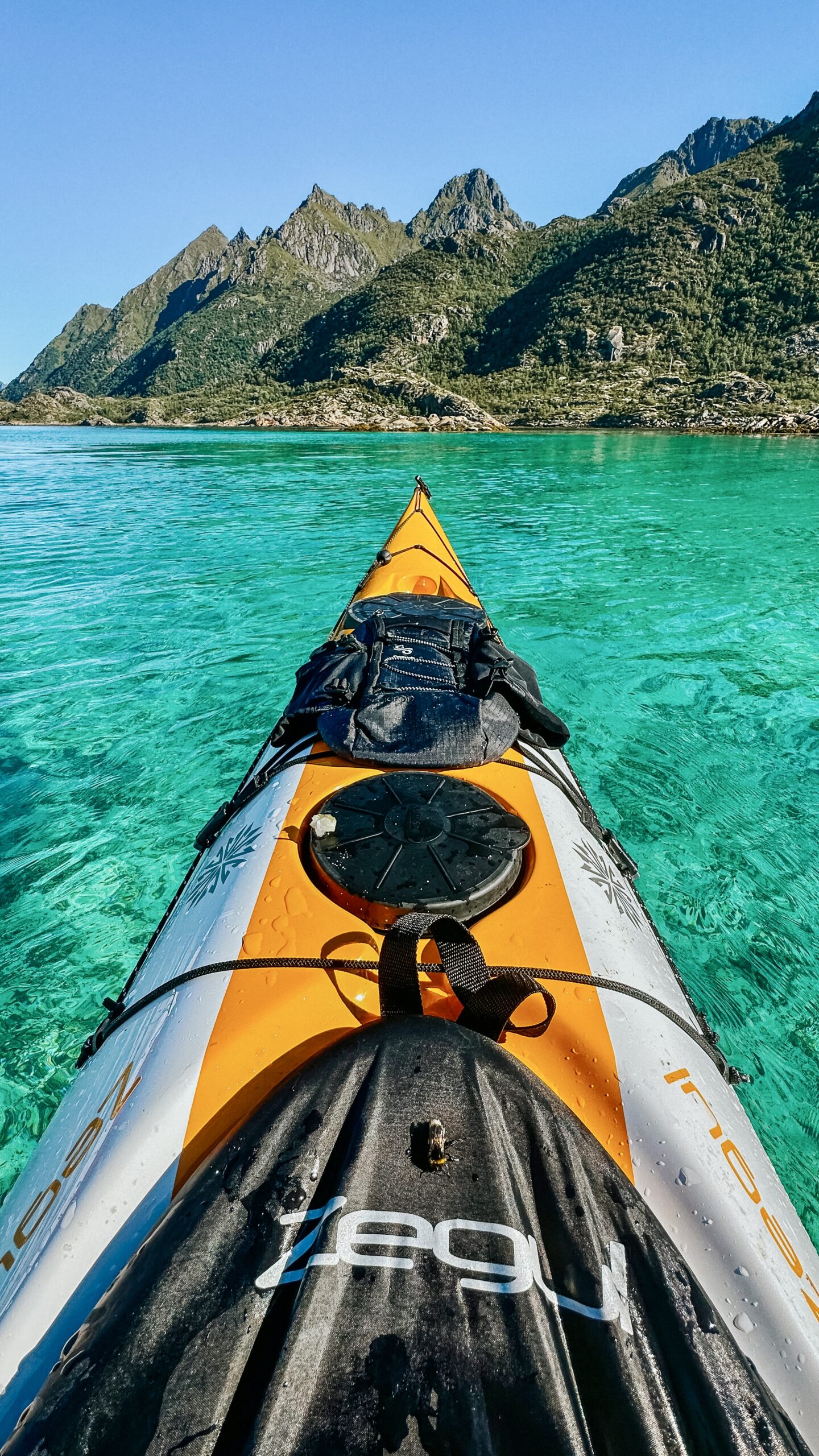
Purpose Paddling, based in Lofoten, offers this kind of meaningful Arctic immersion. Beyond land-based viewing, their kayaking trips open a unique dimension: the possibility of observing the aurora borealis from the sea. Drifting under dark skies with towering peaks around you, the ocean silently reflects the sky’s swirling lights – an unmatched experience that few ever witness.
Whether you’re a solo traveler seeking solitude or a small group chasing Arctic magic, Purpose Paddling’s Lofoten adventures provide a blend of nature connection and adventure that elevates the northern lights from visual wonder to spiritual experience.
Planning a trip to Norway for the Northern Lights
If you’re considering one of those once-in-a-lifetime trips to Norway for the northern lights, there are key factors to consider beyond just picking dates. To truly maximize your chances of success – and enjoyment – build your itinerary around flexibility, mobility, and intention.
Key Planning Elements
| Element | Tips |
|---|---|
| Duration | Aim for 5–7 nights to increase likelihood of clear skies |
| Location | Prioritize high-latitude, low-light areas like Lofoten |
| Transportation | Rent a car if possible — mobility is key in chasing breaks in the clouds |
| Lodging | Choose accommodations with northern exposure and away from urban lighting |
| Timing | Schedule your trip between late September and early April |
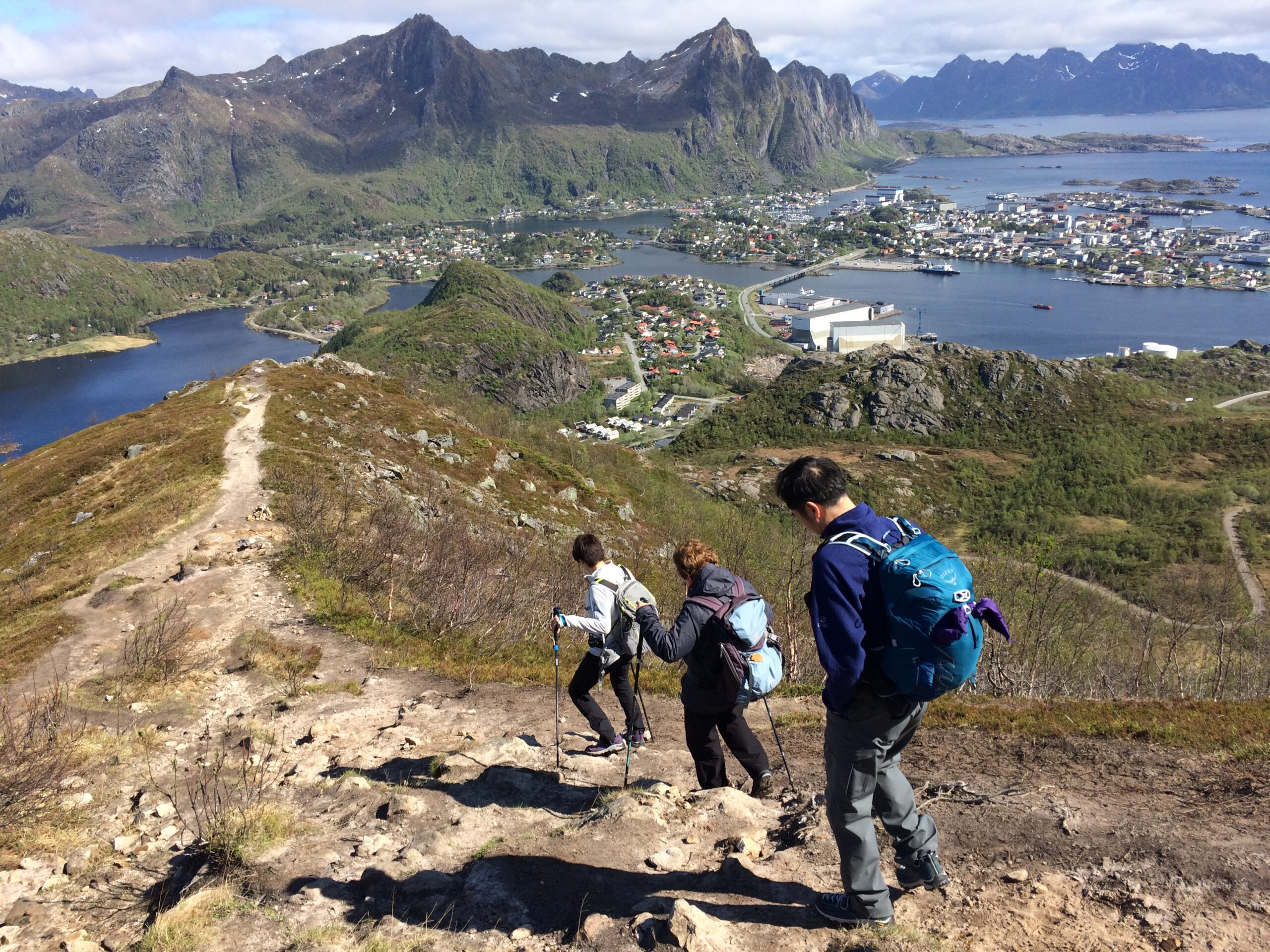
Include some backup activities during the day — Lofoten offers hiking, kayaking, wildlife watching, and Arctic wellness experiences that make the wait for nightfall just as enjoyable.
Best place to view Northern lights in Norway: Why Lofoten leads
While cities like Tromsø and Alta are well-known aurora hubs, they can also be crowded and over-commercialized. If you’re after a raw, immersive encounter with the lights, Lofoten stands out as the best place to view northern lights in a wild and meaningful way.
What makes it so special?
-
- 360° Natural Backdrops: Jagged peaks, fjords, and wide beaches offer diverse viewing options
-
- Coastal Reflections: Calm nights create mirrored skies over the sea
-
- Uncrowded Locations: Step just a few minutes outside any village and you’ll find dark silence
-
- Aurora-Facing Terrain: Many areas in Lofoten look directly north — perfect for catching the aurora arc
Mistakes to avoid when chasing the Aurora Borealis
Despite good planning, many travelers miss out due to avoidable missteps. Here are the most common:
1. Relying on only one Night
The aurora is unpredictable — weather, solar activity, and chance all play a role. Don’t book a one-night stopover and expect to check it off your list. Stay several days and remain flexible.
2. Not leaving the city
Even in small towns, streetlights and buildings can block or dim the display. Make the effort to head out — even just 10 minutes outside the town center can make a big difference.
3. Ignoring the weather
Cloud cover is the biggest enemy of the aurora viewer. Learn to read local forecasts, identify satellite imagery, and consider chasing clearer skies even if it means driving inland or to another part of the island.
4. Overlooking the moon
While a full moon can beautifully light up the landscape, it can also reduce the visual intensity of the aurora. If photography is your goal, schedule your trip around a new moon when possible.
Aurora Borealis and Northern Lights FAQs
To wrap up this section, let’s tackle a few common questions people ask when searching for information like “aurora borealis Norway” or “what is northern lights.”
What is the difference between aurora borealis and northern lights?
Nothing — they are two names for the same phenomenon. “Aurora borealis” is the scientific term, while “northern lights” is more commonly used in travel and conversation.
Can I see the aurora without a high KP index?
Yes! In places like Lofoten, which are directly under the auroral oval, even a low KP index can produce visible displays. Local conditions matter more than high geomagnetic activity.
Are the northern lights visible every night?
No. Even during peak season, cloud cover or low solar activity can obscure the display. That’s why longer stays and flexible plans are key.
Is Norway the best country for aurora viewing?
It’s certainly one of the best. Norway combines auroral activity with stunning geography, excellent infrastructure, and a strong tradition of outdoor exploration.
The Northern Lights: A celestial dance that changes you
There are few experiences in life as humbling as standing beneath a swirling sky of aurora borealis. In those silent Arctic hours, time slows down. You stop thinking about screens, deadlines, or daily worries. All that matters is the color, the motion, and the magic above you.
Lofoten doesn’t just offer views – it offers presence. The raw combination of steep mountain walls, crashing surf, and northern skies makes this region unlike any other on Earth. And while others may line up with tour buses and selfie sticks, you can step off the beaten path and experience the northern lights aurora in a way that feels personal – even sacred.
Your aurora adventure begins with purpose
For travelers seeking not just scenery but connection — to the land, the sea, and the sky – Lofoten is waiting. And the journey doesn’t have to follow the tourist script. By choosing slower travel, mindful routes, and guided nature immersion, you get to experience the aurora borealis with purpose.
Whether you’re kayaking under the stars, hiking to a quiet overlook, or warming your hands by a fire as green waves roll across the horizon, you are not just watching a phenomenon – you’re part of it.
Contact Kristian to plan your journey, and let the northern lights guide your way. The Arctic is calling. Will you answer?